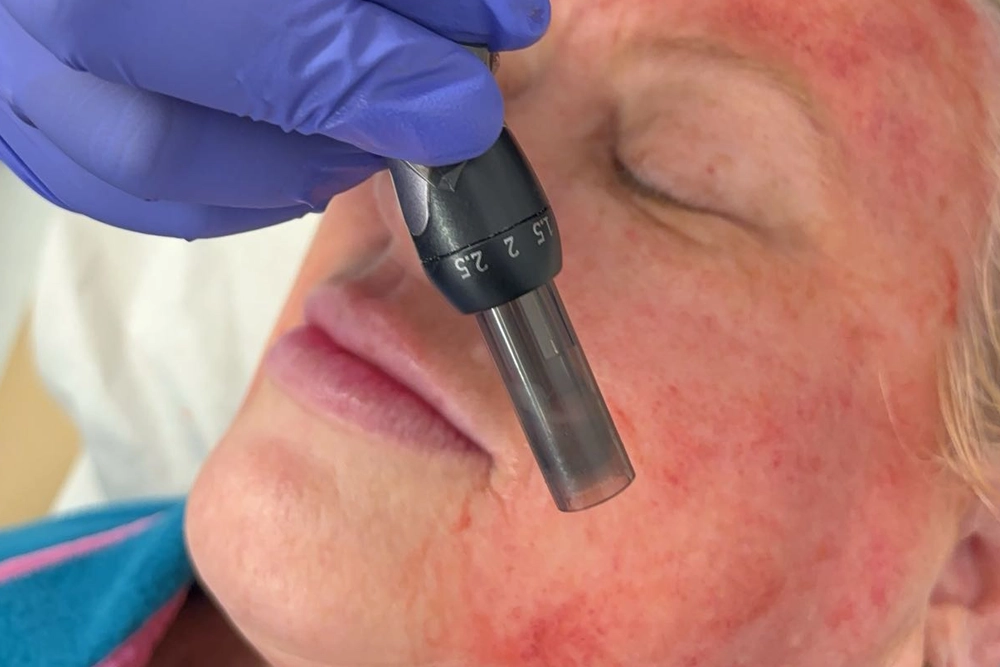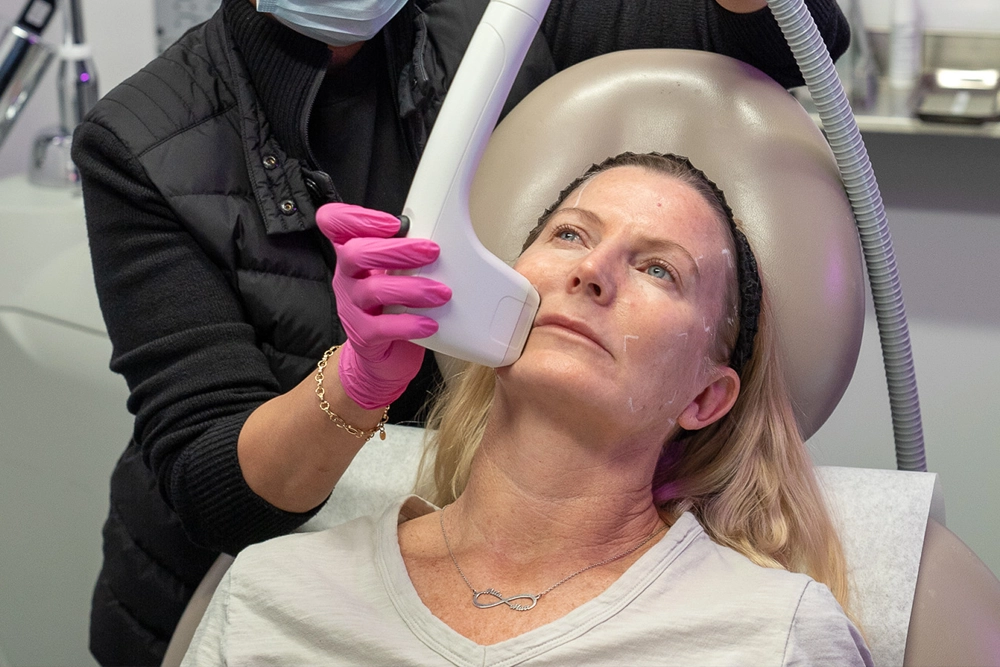
What really happens to your skin in the days following HALO laser treatment? From the initial redness to the gradual reveal of smoother skin, each stage plays a role in recovery. This guide breaks down the HALO laser recovery process day by day, so you can feel prepared for what comes next.
Most people can expect several days of visible healing after HALO laser treatment, with redness, swelling, a rough or sandpaper-like skin texture, and gradual flaking as the skin renews itself. HALO laser recovery typically takes around 5-7 days for the most noticeable surface changes, although healing varies with treatment intensity, skin sensitivity, and individual response.
If you're considering HALO laser skin resurfacing, understanding the recovery process can help you plan your schedule, manage expectations, and care for your skin appropriately.
At Be CLINICAL in San Ramon, we believe knowing what happens after treatment is just as important as understanding the procedure itself. Below, we explain the typical recovery stages, aftercare considerations, and when visible improvements may begin.
Understanding the HALO Laser Healing Process
HALO is a hybrid fractional laser treatment that combines ablative and non-ablative wavelengths. The ablative component creates microscopic treatment zones in the skin's surface, while the non-ablative component delivers energy deeper into the skin to stimulate remodeling.
This approach helps address concerns such as uneven skin texture, sun damage, fine lines, and pigmentation. For a broader comparison, our guide to the different types of laser skin treatments explains how ablative, non-ablative, and hybrid lasers differ.
Because the treatment initiates a controlled healing response, temporary redness, swelling, and changes in skin texture are expected.
Recovery is not identical for everyone. A more intensive treatment may produce more pronounced skin reactions and require additional downtime than a lighter treatment. Our article on the benefits of HALO laser technology explains how treatment intensity can be tailored to your goals and schedule.
HALO Laser Recovery Day by Day
The following timeline describes a common healing pattern rather than a guaranteed schedule. Your treating provider's instructions should always take priority.
Day 1: Redness, Warmth, and Swelling
Immediately after HALO treatment, your skin may feel warm, tight, or sensitive, similar to a sunburn.
You may notice:
-
Redness across the treated area
-
Mild to moderate swelling
-
A sensation of warmth or tightness
-
Increased sensitivity when touching the skin
These reactions are part of the early healing response.
During this stage, use only the products recommended by your provider. Avoid unnecessary touching, rubbing, or applying unapproved skincare products.
Day 2: Swelling and Skin Sensitivity
Redness and swelling may remain noticeable during the second day. Some patients experience more swelling at this point, particularly around the eyes or cheeks.
Your skin may also begin to feel dry or rough.
Continue following your prescribed cleansing and moisturizing routine. Avoid exfoliating products, active skincare ingredients, and activities that cause excessive heat or sweating until your provider advises otherwise.
Day 3: Rough Texture and Darkened Pigment
By the third day, many patients notice tiny, darkened spots across the treated skin.
These are commonly called microscopic epidermal necrotic debris, or MENDs. They develop as treated skin cells move toward the surface during renewal.
Your skin may look bronzed or feel similar to fine sandpaper.
Although the texture can be tempting to exfoliate, do not scrub, pick, or peel the treated skin. Allow it to shed naturally.
Days 4-5: Flaking and Skin Renewal
As healing progresses, the rough outer layer may begin to flake away.
During this stage, you may experience:
-
Fine peeling or flaking
-
Gradually improving redness
-
Reduced swelling
-
Patches of smoother-looking skin
-
Continued dryness or tightness
The amount of peeling varies. Some people experience visible flaking, while others notice mainly roughness that gradually resolves.
Use gentle skincare products approved by your provider and continue protecting the treated skin from sunlight.
Days 6-7: Visible Recovery and Smoother Skin
By the end of the first week, many patients notice that the most obvious surface reactions have improved.
The skin may appear smoother and more refreshed, although residual pinkness, sensitivity, or dryness can remain.
For some patients, healing takes longer than one week, especially after more intensive treatment.
The disappearance of visible peeling does not necessarily mean the skin has fully recovered. Continue following your provider's recommendations before resuming active skincare products or other cosmetic treatments.
How Much Downtime Should You Plan After HALO Laser?
HALO laser downtime generally ranges from several days to approximately one week for noticeable surface recovery.
However, downtime and healing time are not exactly the same.
Downtime refers to the period when redness, swelling, peeling, or sensitivity may interfere with work, social activities, or your usual routine.
Healing time includes the longer process of skin repair and remodeling that continues after visible symptoms improve.
If you have an upcoming event, professional photoshoot, or vacation, discuss the timing with your provider before scheduling treatment. Allowing extra recovery time is preferable to assuming your skin will look fully settled by a specific day.
HALO Laser Aftercare Tips for a Comfortable Recovery
Proper aftercare supports the skin's healing process and helps reduce avoidable irritation.
Follow Your Recommended Skincare Routine
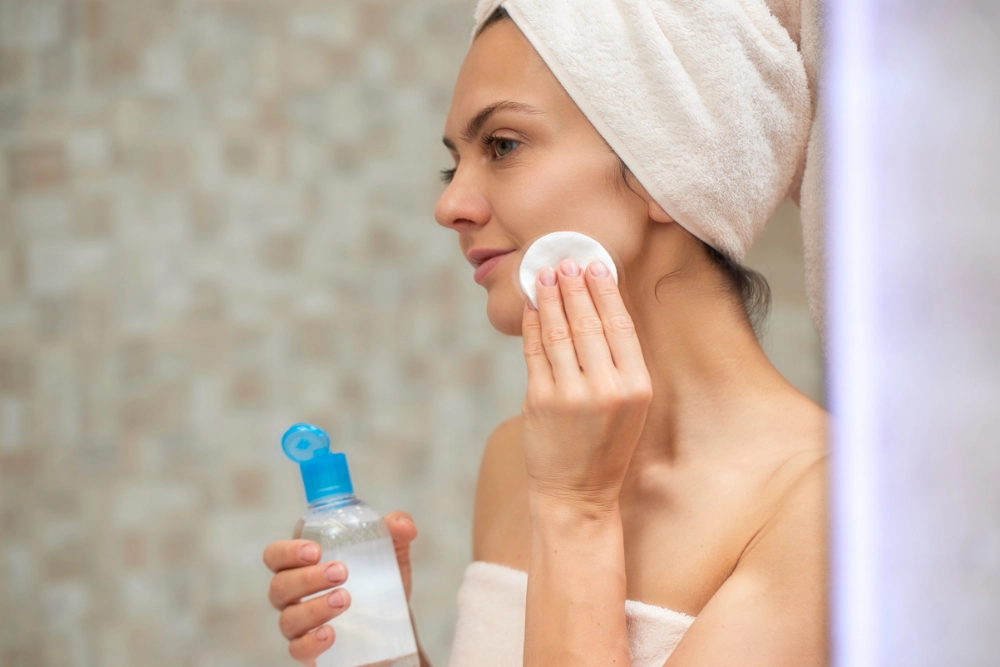
Your provider may recommend a gentle cleanser, specific moisturizing products, and other post-treatment skincare.
Avoid introducing new products during early recovery.
Ingredients such as retinoids, exfoliating acids, and abrasive scrubs may irritate recently treated skin and should only be restarted when your provider approves.
Protect Your Skin From Sun Exposure
Recently resurfaced skin is especially sensitive to ultraviolet exposure.
Limit direct sunlight during recovery, seek shade, and use sun protection as instructed by your provider. Once your skin is ready for sunscreen, use the recommended broad-spectrum product.
For patients in San Ramon and throughout the San Francisco Bay Area, sun protection remains important even during cooler or cloudy weather.
Avoid Picking or Exfoliating Peeling Skin
Flaking and roughness are normal parts of HALO laser recovery.
Picking at treated areas can disrupt healing and may increase the risk of irritation, infection, or unwanted pigmentation changes.
Allow the skin to shed naturally.
Limit Heat and Strenuous Exercise Initially
Hot showers, saunas, strenuous exercise, and activities that cause significant sweating may worsen discomfort or irritation during early healing.
Ask your provider when it is appropriate to resume these activities based on your treatment settings and recovery.
Know When to Contact Your Provider
Temporary redness, swelling, and flaking are expected, but certain symptoms require medical attention.
Contact your treating provider promptly if you experience increasing pain, worsening redness after initial improvement, spreading warmth, pus, or other concerning changes.
Seek urgent medical evaluation for severe symptoms such as fever accompanied by rapidly worsening skin changes, or eye symptoms affecting vision.
When Will You See HALO Laser Results?
The HALO laser results timeline extends beyond the first week of recovery.
As surface healing progresses, some patients begin noticing brighter-looking skin and a smoother texture within the first couple of weeks.
Additional improvements may develop over the following weeks and months as collagen remodeling continues.
The timing and degree of improvement depend on several factors, including:
-
Treatment intensity and settings
-
Individual skin characteristics
-
The concerns being treated
-
The number of treatments recommended
-
Adherence to post-treatment skincare and sun protection
At Be CLINICAL, we assess your skin concerns and treatment goals to help establish realistic expectations.
For more information about the technology and cosmetic concerns it addresses, explore our HALO laser skin resurfacing treatment.
Planning Your HALO Laser Recovery
Preparing for recovery before your appointment can make the experience easier to manage.
Consider arranging your schedule so you have flexibility during the first several days. Keep provider-approved skincare products available and avoid planning activities that involve prolonged sun exposure or excessive heat immediately after treatment.
During your consultation, discuss any upcoming events, your current skincare products, history of pigmentation changes, and medical conditions that may affect healing. If you're also interested in pairing HALO with BBL photorejuvenation, ask how combining treatments may affect your recovery timeline.
Your provider can help determine the most appropriate treatment approach and explain what to expect based on your skin.
Frequently Asked Questions About HALO Laser Recovery
How long does HALO laser take to heal?
Many patients experience noticeable surface healing within approximately 5–7 days, although redness, sensitivity, or other effects may persist longer. Deeper skin remodeling continues beyond the initial recovery period.
Is peeling normal after HALO laser treatment?
Yes. Flaking, roughness, and shedding of treated skin cells are common parts of the recovery process. Avoid manually peeling or exfoliating the skin.
When can I wear makeup after HALO laser?
Makeup timing depends on your treatment settings and how your skin is healing. Some patients may be cleared to resume makeup relatively early, while others need to wait longer. Follow your treating provider's specific instructions rather than a fixed timeline.
Can I wash my face after HALO laser?
Gentle cleansing is generally part of post-treatment care, but the timing and products should follow your provider's instructions. Avoid harsh cleansers, washcloths, scrubs, and exfoliating devices during early healing.
How long does redness last after HALO laser?
Redness often improves over the first several days, but residual pinkness may last longer, particularly after more intensive treatments. Contact your provider if redness worsens unexpectedly or is accompanied by increasing pain or other concerning symptoms.
When will my skin look normal after HALO laser?
Many people feel more comfortable returning to their usual social routine within several days to a week. However, visible recovery varies, and temporary pinkness or sensitivity can remain after peeling resolves.
Plan Your HALO Laser Treatment With Be CLINICAL
Understanding the HALO laser recovery timeline can help you feel more prepared for treatment and make informed decisions about scheduling and aftercare.
At Be CLINICAL in San Ramon, our team offers personalized HALO laser skin resurfacing consultations for patients throughout the San Francisco Bay Area. We can discuss your skin concerns, explain the expected recovery process, and help determine whether the treatment aligns with your goals.
Explore our HALO laser skin resurfacing service or call 925-215-1160 to discuss your treatment options.
(Be Ready :)
START YOUR
TRANSFORMATION TODAY
Schedule a consultation to unveil the best version of yourself — and take the first step towards a more confident, radiant you.